
 Image 1 of 1
Creative Engagement: The Ethics of Presence, Spontaneity, Mutuality, and Realness in Clinical Work, by Henry Markman, MD
Virtual Conference
Saturday, November 7, 2026 10:00 AM - 1:30 PM
Henry Markman will present the central ideas of his book, Creative Engagement in Psychoanalytic Practice. The main concepts include creative spontaneity; the development of authenticity and the therapist’s singular voice; presence, embodied attunement, and accompaniment; the crucial need for the therapist’s own emotional work; and a view of the interaction as ‘mutual ’-from Ferenczi’s experiment with mutual analysis. Several clinical examples will be discussed. His approach is grounded in the ethics of flexibility, permeability, and reliance on real, authentic communication. Dr. Markman will discuss how the therapist develops inner freedom and unique creative responses to clinical situations that are always novel. Two assumptions underlie this approach: first, that therapy is intersubjective, meaning that the analyst’s real personality is an element in therapeutic action or impasse. Second, therapy is an embodied experience, meaning that what is often most importantly communicated happens outside language, in the body and the music of the interaction. The therapist’s actions are individually attuned to each patient and arise not from theory or prescribed ways of being a therapist but from sensing what will allow the person to grow in the moment. Working in these ways creates a transitional space for the patient’s creative expression and vitality as her inner world comes forth, is recognized, and enlarged.
Learning Objectives
At the conclusion of this program, participants will be able to:
1. Use the concept of authentic relating to enhance contact with their patients
2. Use the concept of mutuality to apply to impasses in therapy
3. Use the concept of embodiment to make clinical use of the non-verbal dimension in clinical work in what is interpreted and enacted with their patients
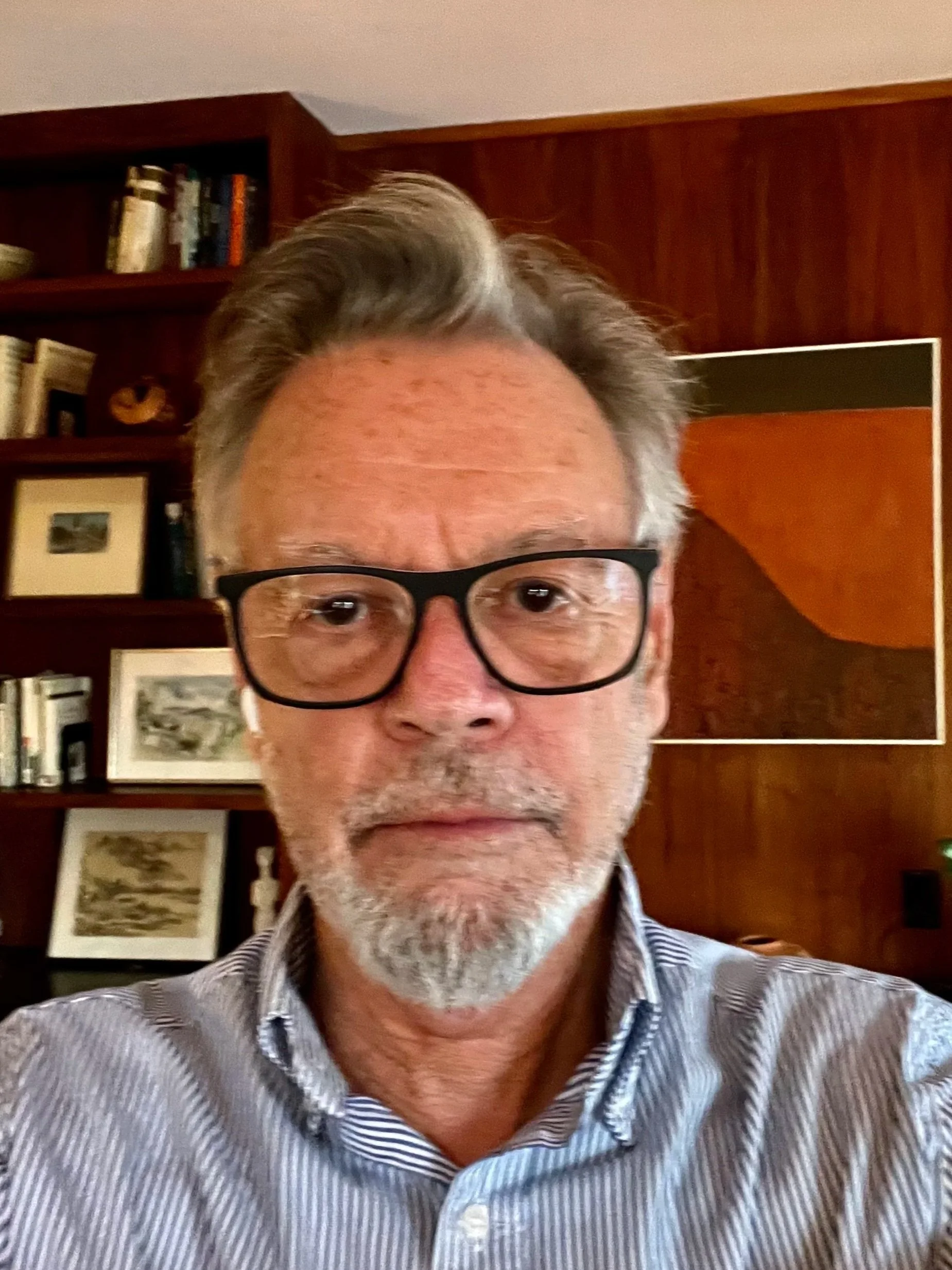
Henry Markman, MD, is a Consulting and Training Analyst and Faculty Member at the San Francisco Center for Psychoanalysis. He is a member of the Editorial Board of the Journal of the American Psychoanalytic Association and a faculty member at The Wilhelm Reich Center for the Study of Embodiment. His recent book (2022), Creative Engagement in Psychoanalytic Practice, is published by Routledge. Topics in his published work include play in adolescent analysis, embodied attunement, aesthetic experience, musical accompaniment in psychoanalysis, Bion’s late work, the analyst’s ethical commitments, and the relevance of Ferenczi’s mutual analysis. His most recent papers include The Analyst's True Self for Another, in JAPA 2025; The Analyst’s Embodied Presence: Working Within an Aesthetic Matrix, in a special issue of Contemporary Psychoanalysis on Embodiment, in press; and editor and contributor to a Psychoanalytic Inquiry issue entitled The Aesthetic Matrix in Art and Psychoanalysis. He is in private practice in Berkeley, CA.
References
Nacht, S. (1962). The curative factors in psychoanalysis. International Journal of Psychoanalysis. 43 (4-5) 206-211
Symington N. (2021). The essence of psychoanalysis as opposed to what is secondary. Psychoanalytic Dialogues, 22, 395-409
Taylor, C. The ethics of authenticity. Harvard University Press.1991
Grossmark, R. (2012). The flow of enactive engagement. Contemporary Psychoanalysis. 48 (3). 287-300
Ferenczi, S. (1932) The Clinical Diary of Sandor Ferenczi (J. Dupont, Ed.) Harvard University Press
Virtual Conference
Saturday, November 7, 2026 10:00 AM - 1:30 PM
Henry Markman will present the central ideas of his book, Creative Engagement in Psychoanalytic Practice. The main concepts include creative spontaneity; the development of authenticity and the therapist’s singular voice; presence, embodied attunement, and accompaniment; the crucial need for the therapist’s own emotional work; and a view of the interaction as ‘mutual ’-from Ferenczi’s experiment with mutual analysis. Several clinical examples will be discussed. His approach is grounded in the ethics of flexibility, permeability, and reliance on real, authentic communication. Dr. Markman will discuss how the therapist develops inner freedom and unique creative responses to clinical situations that are always novel. Two assumptions underlie this approach: first, that therapy is intersubjective, meaning that the analyst’s real personality is an element in therapeutic action or impasse. Second, therapy is an embodied experience, meaning that what is often most importantly communicated happens outside language, in the body and the music of the interaction. The therapist’s actions are individually attuned to each patient and arise not from theory or prescribed ways of being a therapist but from sensing what will allow the person to grow in the moment. Working in these ways creates a transitional space for the patient’s creative expression and vitality as her inner world comes forth, is recognized, and enlarged.
Learning Objectives
At the conclusion of this program, participants will be able to:
1. Use the concept of authentic relating to enhance contact with their patients
2. Use the concept of mutuality to apply to impasses in therapy
3. Use the concept of embodiment to make clinical use of the non-verbal dimension in clinical work in what is interpreted and enacted with their patients
Henry Markman, MD, is a Consulting and Training Analyst and Faculty Member at the San Francisco Center for Psychoanalysis. He is a member of the Editorial Board of the Journal of the American Psychoanalytic Association and a faculty member at The Wilhelm Reich Center for the Study of Embodiment. His recent book (2022), Creative Engagement in Psychoanalytic Practice, is published by Routledge. Topics in his published work include play in adolescent analysis, embodied attunement, aesthetic experience, musical accompaniment in psychoanalysis, Bion’s late work, the analyst’s ethical commitments, and the relevance of Ferenczi’s mutual analysis. His most recent papers include The Analyst's True Self for Another, in JAPA 2025; The Analyst’s Embodied Presence: Working Within an Aesthetic Matrix, in a special issue of Contemporary Psychoanalysis on Embodiment, in press; and editor and contributor to a Psychoanalytic Inquiry issue entitled The Aesthetic Matrix in Art and Psychoanalysis. He is in private practice in Berkeley, CA.
References
Nacht, S. (1962). The curative factors in psychoanalysis. International Journal of Psychoanalysis. 43 (4-5) 206-211
Symington N. (2021). The essence of psychoanalysis as opposed to what is secondary. Psychoanalytic Dialogues, 22, 395-409
Taylor, C. The ethics of authenticity. Harvard University Press.1991
Grossmark, R. (2012). The flow of enactive engagement. Contemporary Psychoanalysis. 48 (3). 287-300
Ferenczi, S. (1932) The Clinical Diary of Sandor Ferenczi (J. Dupont, Ed.) Harvard University Press