
Do you have suggestions for a future topic or speaker?






Join us as we gather in-person for an informal evening of conversation and community. Enjoy light bites, connect with colleagues old and new, and get to know more about our organization.
Stay tuned for more information and a link to register.


Saturday, May 17, 2-5pm, East Side of Providence, RI
Please join us as we close the 2024-2025 RIAPP season with a spring party! This will be a casual gathering and an opportunity to connect with the RIAPP community and enjoy some food and drink. This event is open to everyone and partners and families are welcome to join. We hope to see everyone there!
Please note: Advance registration is required so we can properly plan for food, set up, etc. The event will be at Jess Cronin’s house and the address will be emailed to registrants in advance.
The party is free to attend. You will need to complete the checkout process, but there will be no fee collected. If you are interested in making an optional donation to RIAPP, you may click the Donate button below.


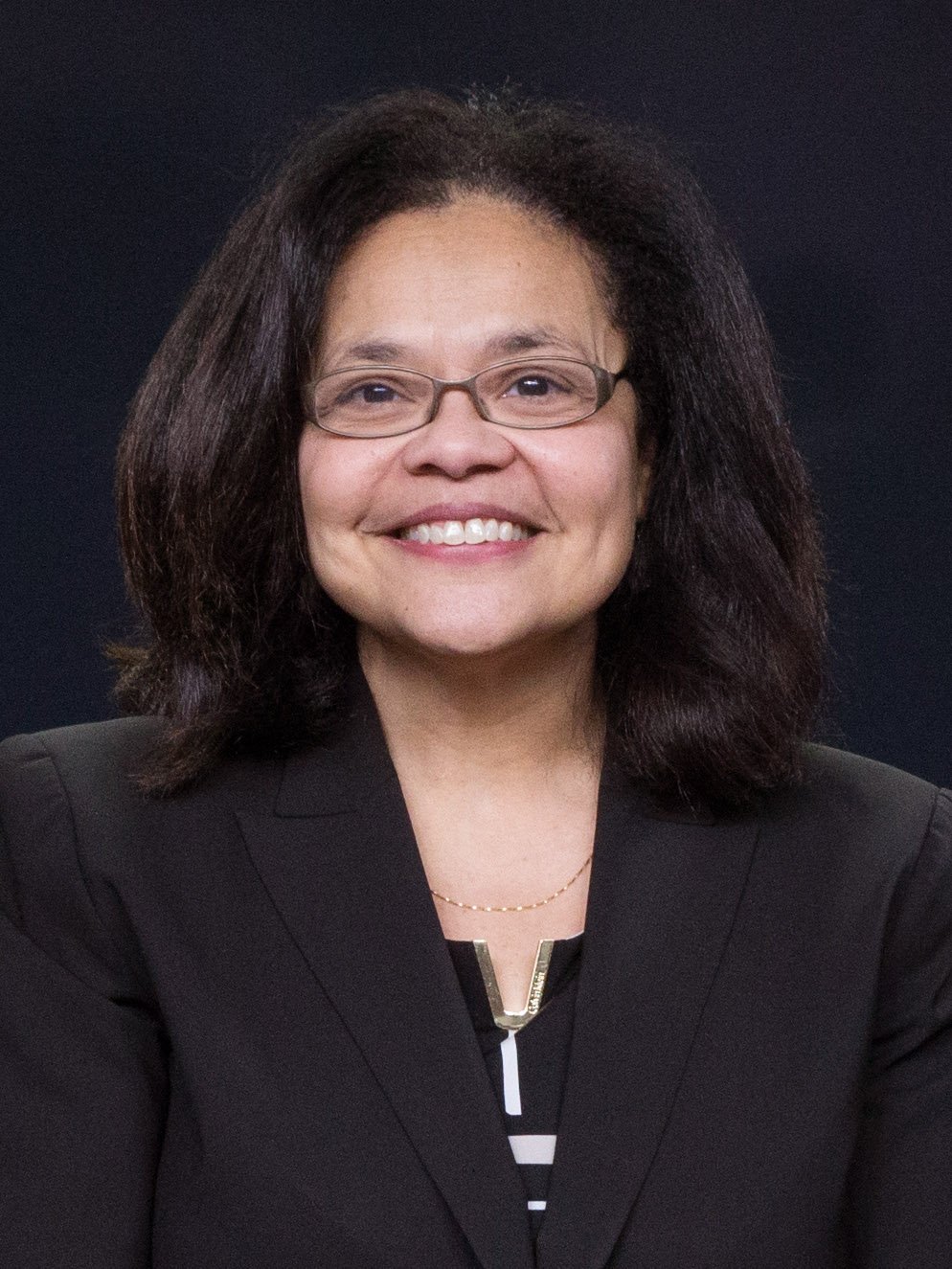

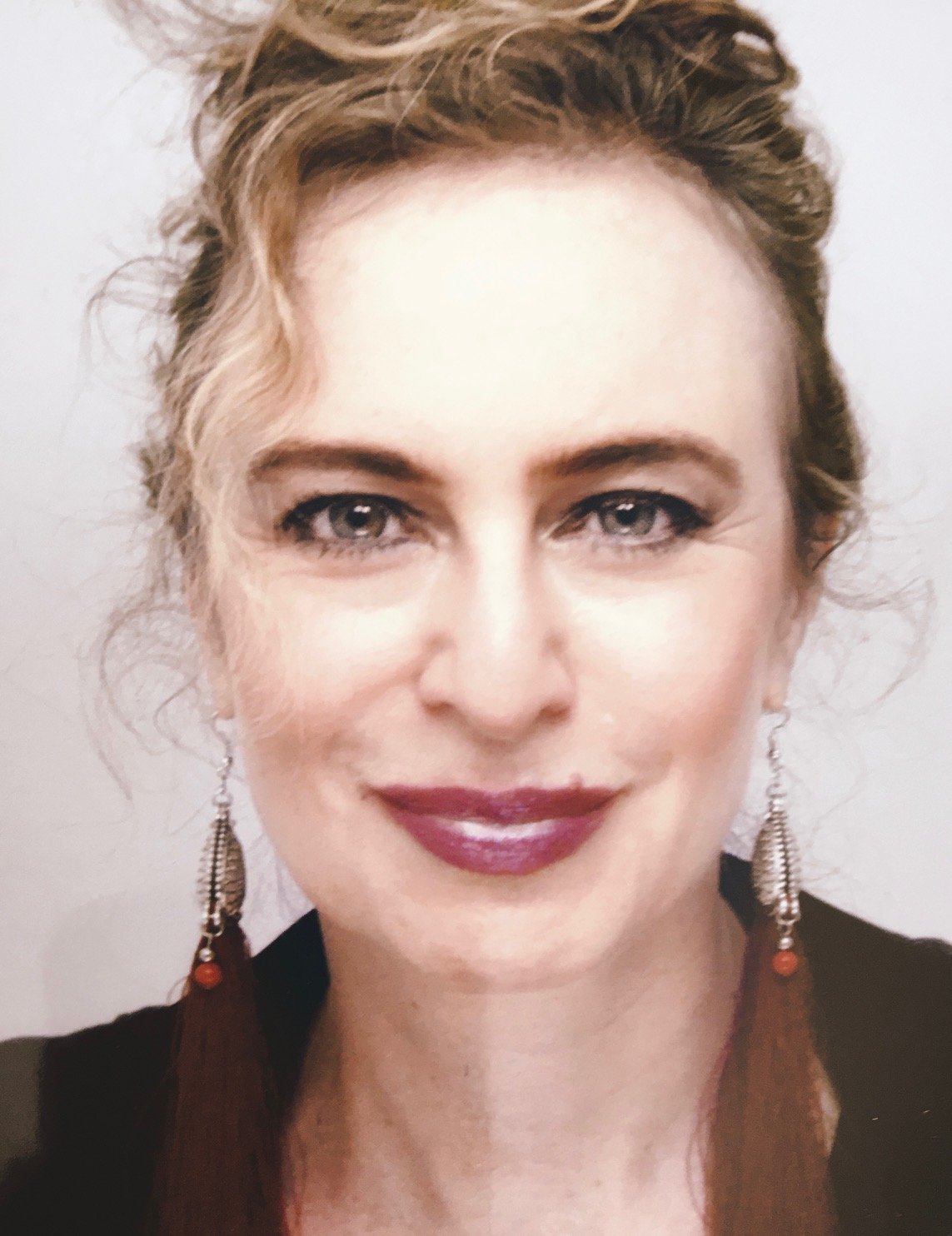
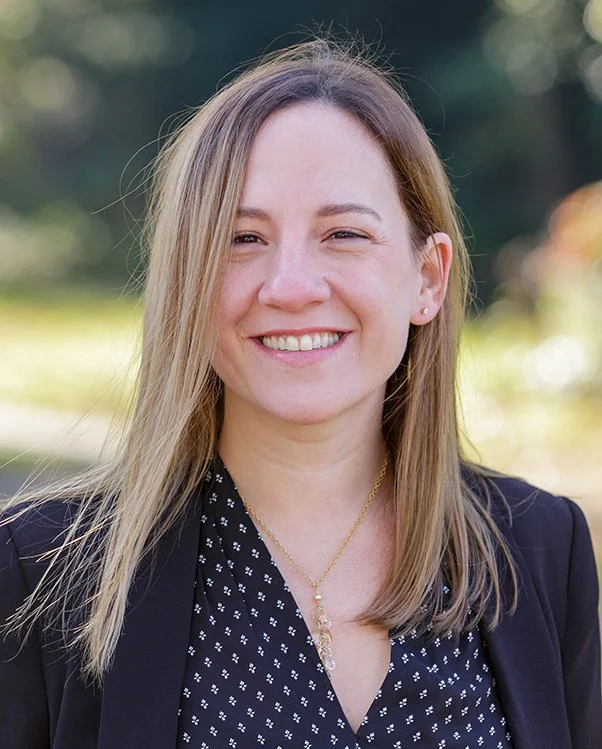



Many individuals of color have not only experienced violence and discrimination at the interpersonal level, but also live in communities that are alive with symptoms of trauma, and as a result have an increased likelihood of developing health related problems because of this exposure. Physical violence, or threat of violence leads to trauma, which contributes to poorer health outcomes for those individuals who are impacted. The impact of primary and secondary trauma has been correlated with many medical conditions.
The stark reality of hate in America appears to disproportionately impact individuals who have been historically discriminated against and who have been generationally disenfranchised. Individuals who are a part of these communities deserve access to safe and affirming places to get much needed physical and emotional care. Dr. Bailey’s presentation will explore the intersection of trauma and racism that are experienced by individuals across the life span.
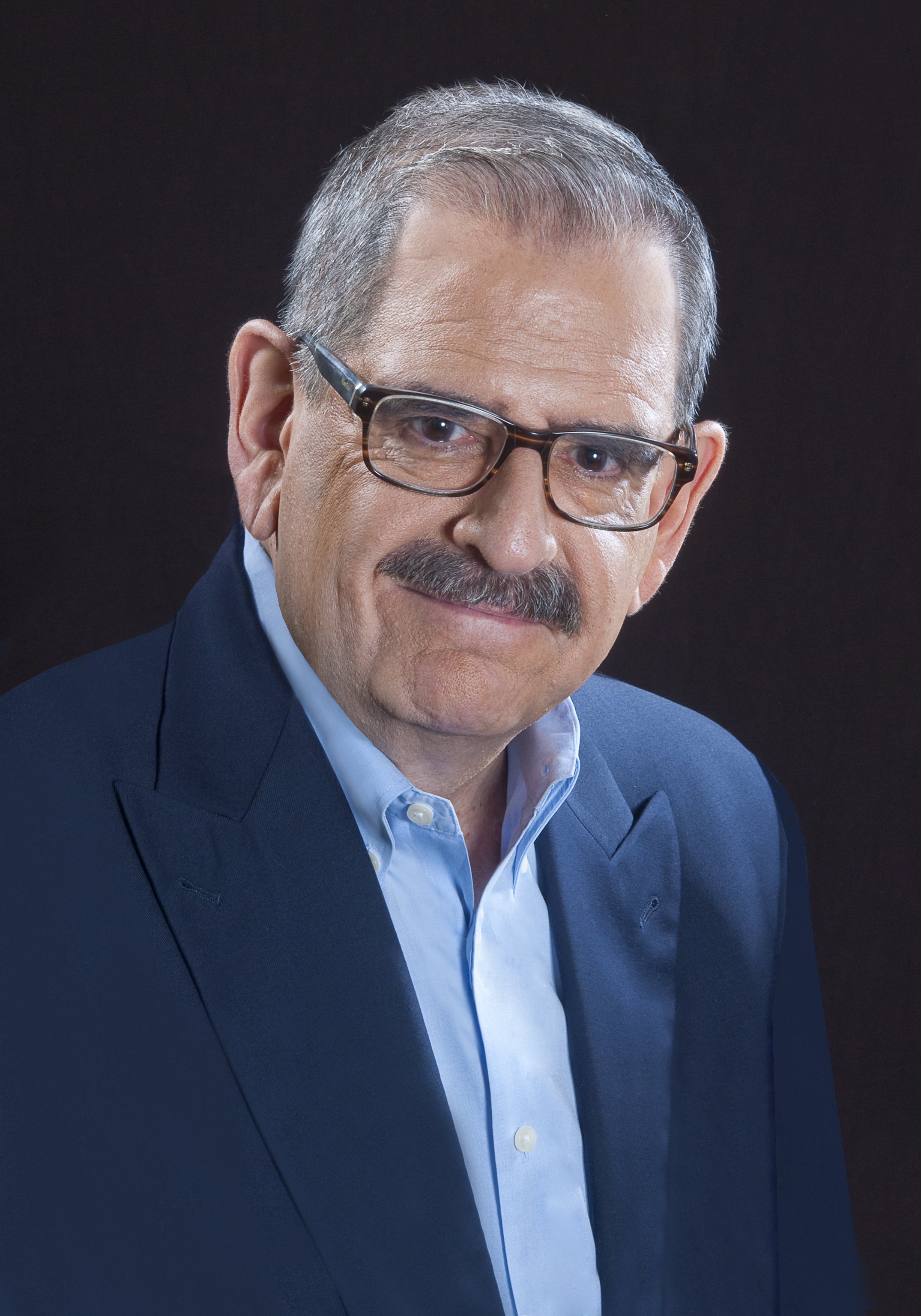
Therapists working with people suffering with DID are confronted with multiple challenges frequently causing anxiety, confusion and feeling deskilled. These challenges include, but are not limited to, dissociated self-states believing they are different ages, genders, and occasionally different racial identities, multiple transferences, frequent enactments, working with parts who are unaware of multiplicity, working through conflict and discord between parts who have coconsciousness and addressing parts that are self-destructive and or potentially harmful to others. This presentation will make use of case material to highlight and explore the dilemmas and anxieties that even a therapist seasoned in the treatment of DID faces.
Learning Objectives:
At the conclusion of this program, participants will be able to:
1). Identify and discuss symptoms of DID.
2). Explain the meaning of multiple transferences.
3). Describe what a perpetrating-caretaking dissociated self-state is.
References
Howell, E.F. & Itzkowitz, S. (2022). The unconscionable in the unconscious: The evolution of relationality in the treatment of trauma. In M.J. Dorahy, S.N. Gold, & J.A. O’Neil (Eds.), Dissociation and the dissociative disorders: Past, present, future (2nd Edition) (pp. 728-745). New York: Routledge.
Itzkowitz, S. (2022). Through the Lens of a DID Specialist. Psychoanalytic Perspectives, 19(1), 108-119.
Kluft (2022) A mutual appreciation of differences: My conversation with Philip M. Bromberg. Contemporary Psychoanalysis, 58(2-3), 438-460.
Howell, E. F., & Itzkowitz, S. (2016). The Dissociative Mind in Psychoanalysis. NY: Routledge.
Howell, E. F. & Itzkowitz, S., (2016). Is trauma-analysis psycho-analysis? In: E.F. Howell & S. Itzkowitz (Eds.). The Dissociative Mind in Psychoanalysis: Understanding and Working with Trauma. London: Routledge.
Dalenberg, C. J., Brand, B. L., Gleaves, D. H., Dorahy, M. J., Loewenstein, R. J., Cardeña, E., Frewen, P. A., Carlson, E. B., & Spiegel, D. (2012). Evaluation of the evidence for the trauma and fantasy models of dissociation. Psychological Bulletin, 138(3), 550–588.
Myrick, A.C., Webermann, A.R., Loewenstein, R.J., Lanius, R., Putnam, F.W. & Brand, B.L. (2017) Six-year follow-up of the treatment of patients with dissociative disorders study, European Journal of Psychotraumatology, 8(1), 1-7.

In the language of economics, ‘the invisible hand,’ refers to the unseen forces of the free market economy. The invisible hand of whiteness in Latin America centers white supremacy as the invisible force that subjugated an entire region. In recent years, in particular in the 1980s, U.S. foreign policy acted as an instrument of colonization that ultimately led to mass exoduses from Central and South America. We will follow clinical case examples to highlight how the invisible hand of whiteness, foreign policy, historical and current colonization impact the immigrants’ psyche and social functioning.
Learning Objectives:
At the conclusion of this program, participants will be able to:
1. Apply decolonial concepts to their clinical practice.
2. Analyze their countertransference in the context of coloniality in the treatment dyad.
3. Integrate non-analytic concepts (foreign policy) to clinical material (clinical work with immigrants).
Rossanna Echegoyén, LCSW is a Latina/Bilingual psychoanalyst whose interest lies at the intersection of psychoanalysis and socio-political concerns. She provides immigration evaluations to asylee seekers at ICE detention centers. She maintains a private practice in New York City where her leadership and collaborative work was instrumental for institutional change in the psychoanalytic community. At Manhattan Institute for Psychoanalysis, she served as the first Latina Co-Director of MIP and the One Year Program in Psychoanalysis and the Sociopolitical World. She is founder of CORE (Committee on Race and Ethnicity) at MIP, Co-Founder of The Psychoanalytic Coalition for Social Justice and Co-Editor of Div. 39-Sec. 9 The Psychoanalytic Activist.
References:
Bragin, Martha. (2019) Myth, Memory and Meaning: Understanding and Treating Adolescents in Forced Migration. J. Infant Child Adolescent Psychotherapy, (18)(4):319-329.
Hollander, Nancy. (2006). Negotiating Trauma and Loss in the Migration Experience. Studies in Gender and Sexuality, (7)(1):61-70.
Ryan, David. (1999). Colonialism and Hegemony in Latin America: An Introduction. The International Review, June 1999, Vol. 21, No. 2.
Volkan, Vamik D. (2014). Psychoanalysis, International Relations, and Diplomacy. New York: Karnac Books.
Volkan, Vamik D. (2017). Immigrants and Refugees: Trauma, Perennial Mourning, Prejudice, and Border Psychology. New York: Routledge.
Okazaki, Sumie, E.J.R. David & Nancy Abelman. (2007). Colonialism and Psychology of Culture. Social and Personality Psychology Compass, Vol.2, Issue 1: 90-106.

This event will be held virtually on Zoom.
This paper takes a contemporary object relations view of the nature of psychoanalysis emphasizing the goal of facilitating patients’ growth, their capacity to feel, and be fully alive. This psychoanalytic perspective originated in Bion’s and Winnicott’s radical revision of psychoanalysis which focused on the = patient’s being rather than on either symptom relief or adaptation to the demands of external reality. A brief history of this transformation is presented describing its development from early concepts of projective identification, to communicative uses of countertransference, enactment, unconscious communication to current views of the psychoanalytic relationship as a field in which it is difficult toseparate the analyst’s unconscious participation from that of the patient. While simultaneously being affected by the unconscious ‘forces’ within the field the analyst attempts to symbolize, articulate and organize the forces and experiences mobilized in the analytic relationship. A brief clinical vignette involving a severely traumatized patient who presented and experienced overwhelming deadness which was also experienced by her analyst and the analyst’s supervisor is presented to illustrate the complex, concrete unconscious experiences that were encountered as the three participants worked to emerge from the world of the dead, returning across the River Styx.
Learning Objectives
At the conclusion of this program, participants will be able to:
Describe the development of the contemporary psychopathology of extreme dissociative disorders which results in the experience of deadness in the psychotherapeutic relationship.
Utilize treatment strategies which prioritize symbolization of unverbalized experiences of dissociation and deadness.
Compare psychotherapeutic approaches which incorporate Bionian Field Theory with more traditional approaches which emphasize the differentiation of historically past and present experiences
Bio
Joseph Newirth is a Professor Emeritus who had been a Professor at the Derner School of Psychology at Adelphi University for over 40 years. He was the Director of the Postdoctoral Program in Psychoanalysis and Psychotherapy at Adelphi University. He is currently a supervisor at the N.Y.U. Postdoctoral Program in Psychotherapy and Psychoanalysis New York University, and on the faculty and a supervisor at the National Training Program at the National Institute of the Psychotherapies, New York, NY. He received his BA from the City College of New York, his Ph.D. from the University of Massachusetts and his psychoanalytic training at the William Alanson White Institute. He encourages dialogue, critical thinking, and opportunities for students and supervises to deepen their understanding of how psychoanalytic theories relate to the practice of psychoanalysis and psychotherapy. He has published numerous articles in professional journals and frequently presented papers at national and international conferences. His first book, Between Emotion and Cognition: The generative unconscious (2003) received the Gradiva prize for critical analysis and interpretation in 2004. His second book, From Sign to Symbol: Transformational Process in Psychoanalysis, Psychotherapy and Psychology (2018) was published by Lexington Books which received the annual book award from the American Board and Academy of Psychoanalysis. He maintains a practice in Psychoanalysis, Psychotherapy and Supervision in New York and works largely remotely.
References
Levine, H. (2015) The Transformational Vision of Antonino Ferro. Psychoanalytic Inquiry, 35:451–464, 2015
Ferro, A. (2012) Creativity in the Consulting Room: Factors of Fertility and Infertility. Psychoanalytic Inquiry 32:257-274
Civitarese, G. (2016) Masochism and Its Rhythm. Journal of the American Psychoanalytic Association 64:885-916
Eshel, O. (2016) The “Voice” of Breakdown: On Facing the Unbearable Traumatic Experience in Psychoanalytic Work. Contemporary Psychoanalysis 52:76-110
Ogden, T.H. (1995). Aliveness and deadness of the transference-countertransference.., Int. J. Psychoanal., 76:695-710.
Blechner, M.J. (2015). Dreams: How Neuropsychoanalysis and Clinical Psychoanalysis Can Learn from Each Other. Ann. Psychoanal., 38:142-155.
Fellenor, J. (2011). The unpredictability of metaphor: Ignacio Matte-Blanco's bi-logic and the nature of metaphoric processes. Int. Forum Psychoanal., 20(3):138-147.
Flabbi, L. Pediconi, M.G. (2014). Unconscious and Game Theory. Int. J. Appl. Psychoanal. Stud., 11(4):339-359
Mancia, M. (2006) Implicit Memory and Early Unrepressed Unconscious: Their Role in the Therapeutic Process (How the Neurosciences Can Contribute to Psychoanalysis)1. International Journal of Psychoanalysis 87:83-103
Mancia, M. & Baggott, J. (2008) The Early Unrepressed Unconscious in Relation to Matte-Blanco's Thought. International Forum of Psychoanalysis 17:201-212


This event will be held IN PERSON at
Central Congregational Church, 296 Angell St, Providence, RI 02906
*Please join us from 7-7:30pm for a welcome party to kick off the 2023-2024 season!
———-
During this workshop, we will examine through a lecture, a video clip, and a facilitated discussion the ways in which the Other negotiates an I-Thou Intersubjectivity in a cross-racial dyad. Here the Other (capital O-Other) is a psychic construct―a repository of all that is dissociated from individuals in themselves and thought to exist in or represent others that are different, serving an important stabilizing function. The Other is also the Lacanian symbolic register, which among other things represents rules and regulations of what should and should not be mentalized in the dyad. This will be an interactive session with opportunity for self-reflection and dialogue with each other.
Objectives:
1: Describe the psychological concept of the capital-O Other and its role in self identity and psychic stability.
2: Identify at least two ways in which the Other impacts engagement with others, that is out patients, especially when the clients are racially different
3. Discuss methods to deepen the therapeutic relationship in face of this Other
Samir M Patel, MD, MPH, is a psychiatrist in private practice in Providence RI. He also supervises and teaches psychiatry residents as an Assistant Clinical Professor of Psychiatry and Human Behavior of Alpert Medical School at Brown. After spending his formative years in India and completing medical school there as well, he moved to the US to pursue a Masters in Public Health at the University of Michigan, and obtain his psychiatric training at Duke University Medical Center and University of Pennsylvania Hospitals. He is a member of RIAPP and one of the founding chairs of the Committee on Anti-racism, Diversity and Equity of the American Academy of Psychotherapists, a multidisciplinary organization of psychotherapists. He enjoys cooking for his husband and friends, singing, reading and traveling.
References:
Thomas, K. Buberian Intersubjectivity and Racist Encounters. A Priori: The Brown Journal of Philosophy 6 (2021): 57–81.
George, S. Trauma and Race: A Lacanian Study of African American Racial Identity. Baylor University Press, 2016. Project MUSE muse.jhu.edu/book/44556.
Morrison, T and Coates, T. The Origin of Others. Cambridge, MA: Harvard University Press, 2017. Web.
Wallis, J and Singh, R. “Constructions and Enactments of Whiteness: a Discursive Analysis.” Journal of Family Therapy, vol. 36, no. S1, 2014, pp. 39–64, https://doi.org/10.1111/j.1467-6427.2012.00602.x.
Cénat, J. M. Complex Racial Trauma: Evidence, Theory, Assessment, and Treatment.Perspectives on Psychological Science, 0 (2022):. https://doi.org/10.1177/17456916221120428
Terian, S.K. The Look and Intersubjectivity: Insights from Sartre and Schutz for Race Relations. Soc 60, 580–591 (2023). https://doi.org/10.1007/s12115-023-00842-z

Please join us as we close the 2022-2023 RIAPP season with a social event. It will be an opportunity to connect with our larger community, and enjoy some food and drink. We hope to see everyone there!
The party will be at a private residence on the East Side of Providence, RI. Advance registration is required. The address will be emailed to registrants 24-48 hours before the event.

